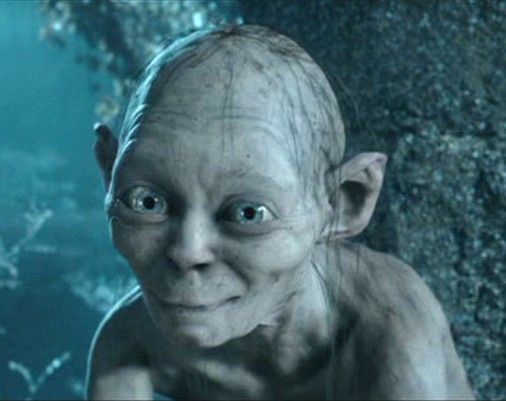
Taglines or catch phrases make it easy for readers to remember a character. That’s because repetition creates lasting memories.
Allow me to convince you of the effectiveness of this writing technique by playing a game. I’ll list a catch phrase, you guess the character. (I know some are from television — and some from movies that were never books; but the same principle applies.)
I'll be back.
Shaken, not stirred.
Inconceivable!
Scotty, beam me up.
I'm sorry, Dave, I'm afraid I can't do that.
Show me the money.
My precious.
You killed my father. Prepare to die!
So how do you invent taglines for your story’s characters. And, once you do, how do you insert them into dialogue without sounding contrived?
Well, that’s the art.
If you have ideas or techniques to share, please tell us in the comment section below.
Oh, and just for the fun of it, I’m sure I missed some of your favorite characters’ taglines. If so, list them below.
Comments
Related Posts

How to Overcome Writer’s Block – A Compendium of Solutions
I’ve compiled the best tips on overcoming writer’s block from all around the web. If your stuck, here are some great ideas to help you break through.
Book Review: In Leah’s Wake by Terri Giuliano Long
In her debut novel, In Leah’s Wake, Terri Giuliano Long explores the aftermath created when a teenage soccer star falls for a party-loving boy with a drug-dealing past.
Types of Foreshadowing (with Examples)
Foreshadowing is an essential ingredient in any good story. There are many ways authors foreshadow. Here are different types of foreshadowing with examples.

Make Your Posts Search Engine Friendly
You fuss over the appearance of your blog and the words in your articles, but are your posts search engine friendly? Here’s how to make them shine.